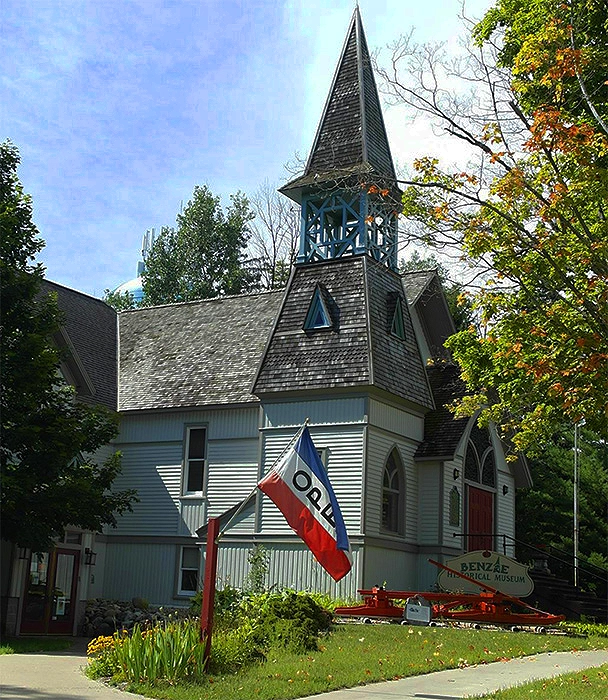
County Historical Societies or Museums like this one may offer thousands of online maps and images plus more clues within their historical displays. This museum dispalyed hand-drawn maps from the 1800's that revealed a host of long-forgotten sites
Treasures Await Online Discovery
The good news is that both big and small places alike can reveal a variety of locations to begin searching for your pure detecting sites. And the great news is that you don’t have to physically visit your imposing state historical society like the one shown above in Wisconsin.
That’s because most state and many county historical societies offer vast online collections of archives to begin your search on your computer. To get your feet wet close to home, first try exploring the online archives within your county. That not only helps you detect sites close to home in areas you’re “geographically familiar” with, but it also will likely reveal some surprising discoveries you hadn’t considered… or knew about!
Don’t be surprised to also discover smaller historical centers such as those in towns, villages, or at historical sites. They may not have online archives, but an actual visit can reveal maps, images, and old photos that can show or confirm interesting sites.
And when all else fails, perform some searches on the Internet. That may sound too easy but search “ghost towns” in your state. You’ll be amazed.
Besides the clues on their shelves, imagine the old coins under their grass!
Libraries and Newspapers
Besides history centers, most libraries also offer online historical archives that can be searched by topic. Even if they don’t have online catalogs, consider and actual visit to explore for local lore and historical publications tucked away on their shelves.
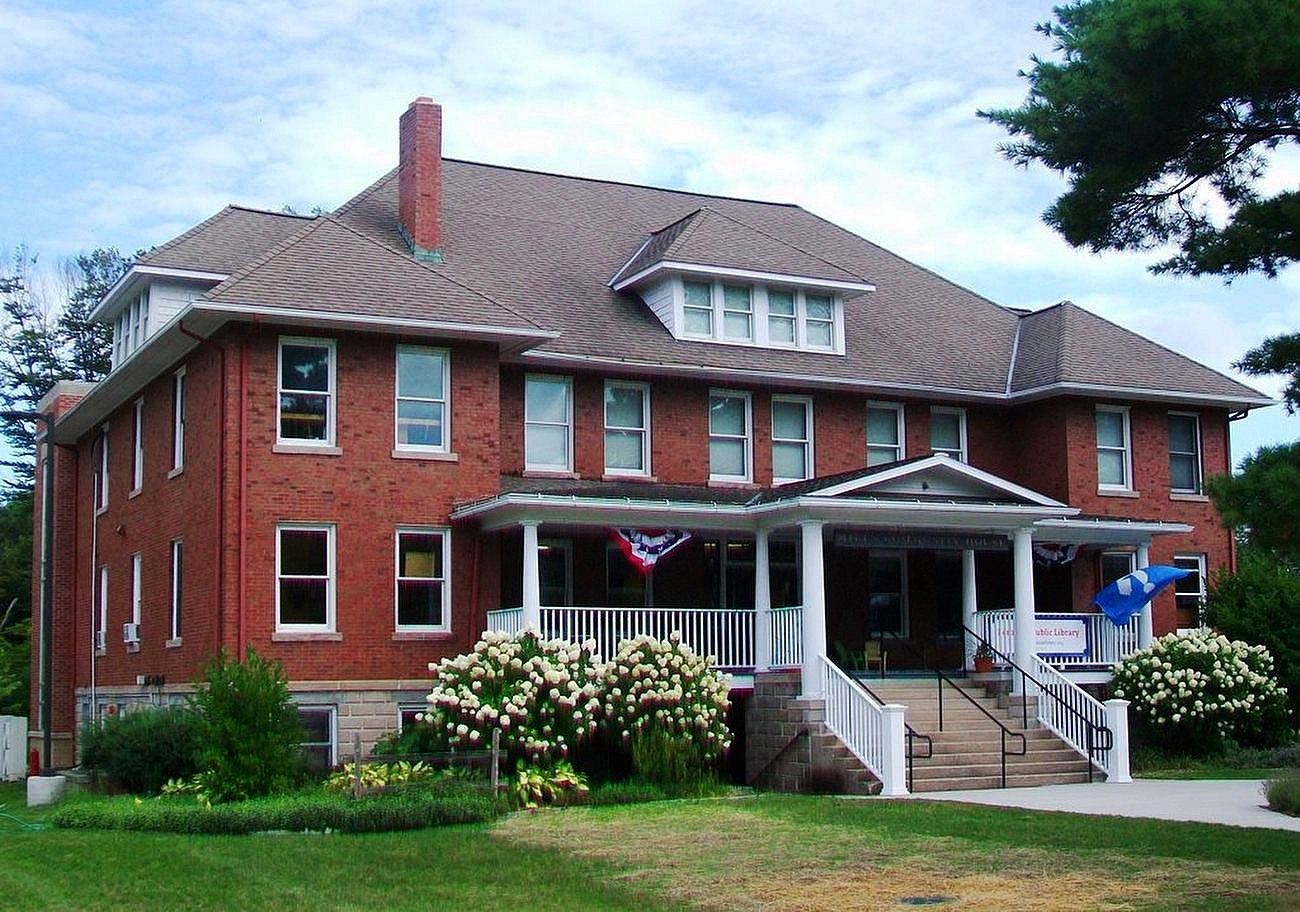
The small and 150-year-old library to the left yielded a treasure trove of ghost towns, abandoned railroad depots, railways, and even maps to locations of abandoned one-room schoolhouses and churches.
Like any detective, don’t overlook newspaper archives. Some reveal articles of “misfortune” from the past that can further document information about the sites you’re interested in. We’ll give you some actual examples in the next section.